Heartbeat Cross Faith Line Design
A Quiet Moment, Stitched With Intention
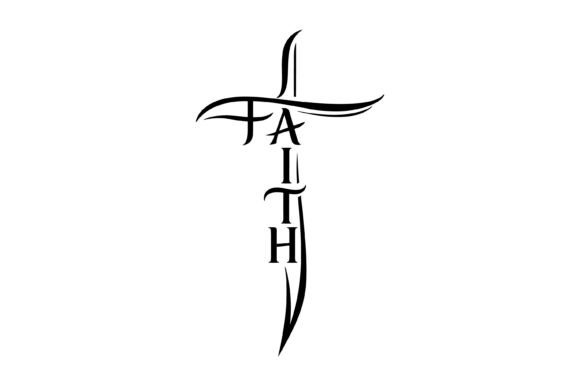
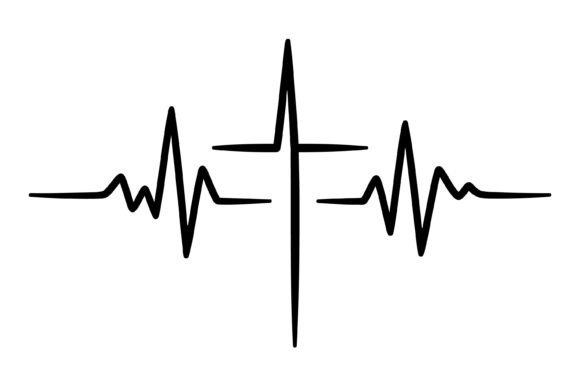
When I first opened the Heartbeat Cross Faith Line Design, I didn’t see a “T-Shirt Designs” file—I saw a pause. A breath. A small, centered gesture that balances reverence and rhythm: the clean line of a cross overlaid with a subtle heartbeat waveform. It’s not ornate. No florals, no halos, no extra embellishment. Just two essential shapes—faith and pulse—drawn in confident, unbroken lines. That simplicity is its strength—and its first real test.
How It Lives on Real Fabric
Last week, I stitched the Heartbeat Cross Faith Line Design onto a natural linen-cotton tea towel for a local boutique’s Easter collection. No applique, no fill stitch—just a precise running stitch outline, 1.8mm width, medium density. On that textured surface, it held beautifully: legible at 3.5 inches wide, soft but unmistakable. Customers responded immediately—not with “cute,” but with quiet recognition. One woman bought three towels, saying, “It feels like something you’d keep, not just use.” That’s the design’s quiet power: it reads as handmade, intentional, and emotionally anchored—not decorative filler.
I’ve also tested it on lightweight baby onesies (60% cotton/40% modal) and midweight organic sweatshirts. On the onesie, I reduced size to 2.75 inches and added light tear-away stabilizer underneath. The line stayed crisp—no puckering, no thread breakage—even after gentle machine washing. On the sweatshirt, I used cutaway stabilizer and kept the original dimensions (4.2 inches). The result was bold without stiffness, respectful of the fabric’s drape.
Where It Fits—and Where It Needs Care
The Heartbeat Cross Faith Line Design shines brightest on flat, stable surfaces: tote bag fronts, pillow covers, apron pockets, kitchen towels, and nursery wall hangings. It’s an ideal embroidery file for small shop products where clarity and calm resonance matter more than flash. As a holiday embroidery option, it works well on neutral-toned ornaments or linen Advent calendars—subtle enough for multi-faith households, meaningful enough for personal reflection.
But here’s what I watch closely: curved surfaces and fine detail. On a structured cap front, the line thins slightly at the crown curve unless resized to 2.25 inches max and digitized with slight stitch compensation (not included in the base file—check your digitizer notes). Also, avoid placing it near seam allowances on stretchy fabrics like jersey tees unless you pre-stabilize with adhesive + cutaway. The single-line nature means any distortion shows instantly.
Dark fabric? Yes—but only with high-contrast thread (e.g., bright white or ecru on navy or charcoal). On black, I skip metallics and stick with matte poly or premium rayon for soft reflectivity. Thin fabrics like voile or chambray need backing *and* topping—otherwise, the backside stitching shows through. And never skip testing on scrap: this design’s elegance lives in its precision, and precision depends on your machine, needle, thread tension, and stabilizer combo—not just the file itself.
What It Adds to Your Craft Business
As an Etsy seller and small shop product developer, I look for design assets that do three things: elevate perceived value, reduce customer hesitation, and align with brand voice. The Heartbeat Cross Faith Line Design does all three—especially when paired with thoughtful presentation. On a handmade product like a personalized gift or custom apparel piece, it signals care, not cliché. It doesn’t shout; it invites. That builds trust faster than any sales copy.
For commercial embroidery, it scales cleanly across sizes—from 2-inch patches (great for scout badges or faith-based youth groups) to 5-inch placements on oversized blankets. Its minimal stitch count (inferred from clean vector flow) means low thread consumption and fast run times—ideal for craft fair batches or boutique wholesale orders. And because it avoids script fonts or tiny lettering, it stays legible in printable mockups and digital previews—critical for converting browsers into buyers.
Designer Notes You’ll Actually Use
- Always test first: Run it on scrap fabric matching your final project’s weight, texture, and color.
- Check contrast early: View the design in black-and-white mockups—does the line pop against both light and dark backgrounds?
- Confirm hoop size: At full size (4.2"), it fits standard 5x7 hoops comfortably—but verify your machine’s actual stitching area, not just the hoop label.
- Inspect corners and endpoints: Zoom in on the digitized file. Are the heartbeat peaks rounded smoothly? Does the cross base anchor cleanly? Jagged ends won’t stitch cleanly on textured fabric.
- Stabilizer isn’t optional: Light cutaway for knits, tear-away for stable wovens, fusible + tear-away for sheer layers. This isn’t filler—it’s fidelity.
- Licensing matters: If you’re selling finished items or bundling the embroidery file as part of a digital product, confirm usage rights before listing. Personal use ≠ commercial embroidery rights.
Final Thought: Less Is Anchored
The Heartbeat Cross Faith Line Design won’t dominate a garment. It won’t go viral on social media for its complexity. But it will sit quietly on a baby blanket, a nurse’s scrub top, or a grief-support group tote—and be touched, noticed, remembered. That’s rare. In a market flooded with busy, over-digitized motifs, this design earns its place by refusing to compete for attention. It asks only to be seen—and understood.
For embroidery designers building a library of reliable, resonant work—and for craft business owners choosing designs that reflect depth, not decoration—the Heartbeat Cross Faith Line Design isn’t just another T-Shirt Designs download. It’s a small, steady pulse in your creative toolkit. And sometimes, that’s exactly what your next project needs.